Chain Link Fence Heights in Oklahoma City: 4', 5', 6' - What’s Best for Your Yard?
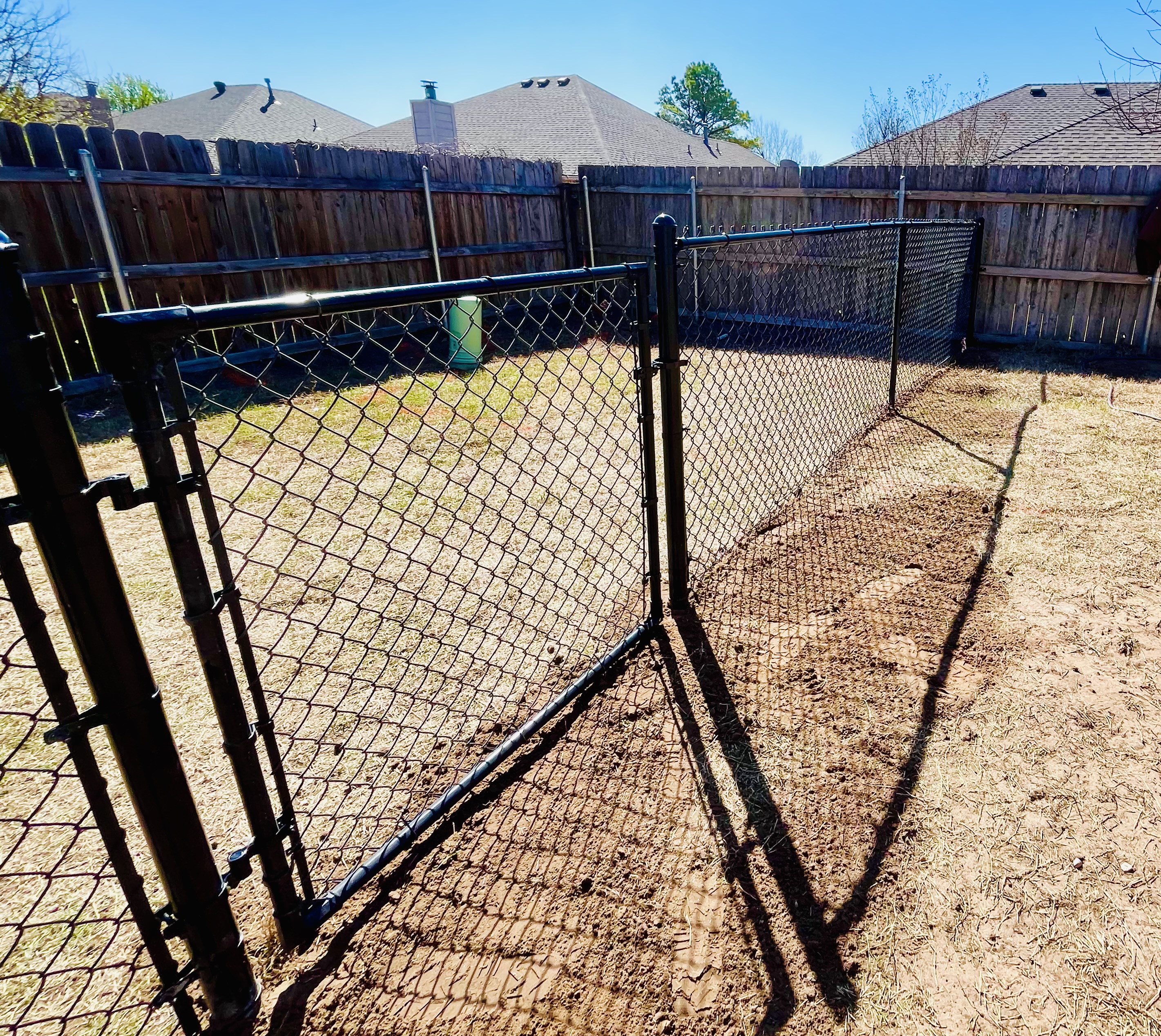
Picking the right height for a chain link fence in Oklahoma City comes down to how you use your yard, what you want to keep in or out, and how our weather treats materials. This guide compares 4, 5, and 6 foot options so your fence looks good, works hard, and meets local expectations.
If you are starting to explore styles, materials, and coatings, take a quick look at our chain link fence options to see what fits your space and goals.
How To Choose a Chain Link Fence in Oklahoma City by Height
Before you settle on a number, picture a normal Saturday in your yard. Are kids playing ball in Edmond, a rescue pup testing boundaries in Yukon, or garden beds tucked beside the garage in Moore? Use that everyday picture to guide your pick.
Start With How You Use the Space
- Security first: If keeping people out is the goal, taller heights reduce easy climbing.
- Pets and kids: Measure jump height and reach, then add a safety buffer.
- Street visibility: Corner lots in areas like The Village and Nichols Hills often prioritize clear sightlines.
- Neighbors and style: Some HOAs want a consistent look along shared property lines.
4-Foot Chain Link Fences: Light, Open, And Friendly
Four feet is a popular choice for front yards, gardens, and lower-profile spaces. It marks the boundary, keeps small pets in, and stays friendly with the neighborhood view.
Use this height when you want curb appeal and easy conversation with neighbors. Many homeowners near the Plaza District or Paseo like 4 feet in front and save taller sections for backyards where privacy matters more.
Check code before you buy. Height rules can vary by city section and HOA. We help you confirm what’s allowed so you avoid rework and delays.
5-Foot Chain Link Fences: The Versatile Middle Ground
Five feet is a sweet spot for many Oklahoma City backyards. It adds a bit more security than 4 feet, reduces ball tosses over the top, and can stop medium-size dogs from jumping.
If your yard slopes, 5 feet also plays well with grade changes. You gain height where you need it without the visual weight of 6 feet along every stretch.
6-Foot Chain Link Fences: Security And Privacy Potential
When security is the main concern, 6 feet sets a clear boundary and makes casual climbing harder. It pairs well with privacy slats or screens if you want to reduce street views or keep a pool area more secluded.
Homeowners in Mustang and Midwest City often choose 6 feet for backyards that back up to alleys, trails, or commercial areas. If you are near a busy road, taller sections can also cut wind-driven debris and reduce headlights at night.
Local tip: Spring storms and fall fronts can bring strong gusts across the metro. Ask us about post spacing, rail choices, and footing depth that handle Oklahoma wind without wobble.
Small upgrades to posts and hardware often prevent repairs later, especially in open lots where wind funnels between homes.
Code, Setbacks, And Neighbor Etiquette Across Central Oklahoma
Height limits, setbacks from sidewalks, and corner visibility rules may change by neighborhood, zoning, and any HOA. Front yards often have lower height allowances than backyards. Pool barriers and street corners usually have extra requirements for safety and sightlines.
Here is a simple way to stay on track:
- Confirm rules early: We can help you review the current city guidelines and HOA covenants for your address.
- Talk with neighbors: Align on property lines and gate placement to avoid headaches later.
- Document approvals: Save emails and forms so your project moves smoothly from layout to final walkthrough.
Want to compare other materials and styles while you plan? Browse our fencing services for inspiration you can apply to the same layout and posts.
Add-Ons That Change How a Chain Link Fence Performs
A few smart upgrades can make a 4, 5, or 6 foot fence act very differently in real life. Think of these like tuning a guitar until it plays just right.
Plan for wind with the right mix of open mesh, slats, and bracing. In wide-open backyards, added rails and tighter post spacing can help the system resist racking during storms.
Popular options include:
- Privacy slats or screens to cut sightlines and soften road noise. Choose patterns and colors that match your home.
- Vinyl-coated fabric for a cleaner look and extra corrosion resistance during wet springs and humid summers.
- Heavier-gauge mesh in high-traffic or alley-facing stretches for better impact resistance.
- Upgraded gates and latches that stay square after temperature swings.
Real-World Picks Around OKC Neighborhoods
Every yard tells a story. Here are common approaches we see, based on goals homeowners share with us:
Backyards along busier streets in Yukon or near major corridors often lean toward 6 feet with slats to reduce views and headlights. Corner lots in Moore or Bethany tend to favor 4 or 5 feet near front sidewalks to protect sightlines at driveways.
Families with athletic teens in Edmond choose 5 feet behind goal areas to keep balls from hopping into neighbors’ yards, then transition to 6 feet along alleys for security. Garden-focused homeowners in Nichols Hills or The Village like 4 feet around raised beds, with gates wide enough for wheelbarrows.
Durability And Upkeep In Oklahoma Weather
Galvanized chain link is the classic choice for long life. Vinyl-coated systems add color and an extra layer between the metal and our mix of sun, rain, and winter freeze-thaw. Hardware matters too. Quality ties, tension bands, and caps keep things tight when gust fronts roll through.
After big storms, walk the fence. Look for leaning posts, sagging fabric, or loose top rails. Quick fixes now can prevent bigger repairs later. A light rinse helps remove grit that wears coatings over time.
Common Mistakes To Avoid
Most issues come from planning, not from the fence itself. Keep these in mind:
Think about your future yard. If you might add a pool, workshop, or play area, size the fence and gates now so you are not redoing sections later.
Match height to use. A 4 foot fence may be fine for small pets, but a high-jumping dog could need 5 or 6 feet. Measure your dog’s jump height and add a safety margin. For security near alleys, taller heights and heavier mesh make casual entry less tempting.
Avoid piecemeal sourcing. Mixing components from different brands can create small gaps and weak points. A complete system from posts to caps helps everything work together.
Why Homeowners Choose Triplitt Fencing
We help you balance looks, safety, and function so your fence fits your life and local expectations. From layout to final set, our team checks the details that make a fence last in Oklahoma wind and weather.
Want a deeper dive on materials and care before you decide? Visit our fence tips blog for practical insights you can use in any season.
If you are comparing styles for a chain link fence in Oklahoma City, we are ready to help. Call 405-669-6015 to talk with a specialist at Triplitt Fencing and map out your yard from corners to gates.
Which Height Should You Choose Today?
Here is a quick way to decide:
- Pick 4 feet for front yards and gardens where you want open views and friendly curb appeal.
- Pick 5 feet as a flexible middle ground that deters jumps and protects play areas without feeling heavy.
- Pick 6 feet when backyard security and privacy are top priorities, especially along alleys or busier streets.
Still unsure? Compare coatings, mesh gauges, and gate options on our chain link fence page, then call 405-669-6015 to schedule your on-site visit with Triplitt Fencing.
Build A Stronger Fence With Our Fence Company In OKC